€250,000 For Sale
Tala Paphos
Residential Land
- Bedrooms
- Covered
721m² Plot

Residential Land FOR SALE
in Paphos, Tala
REF. NO. 50836

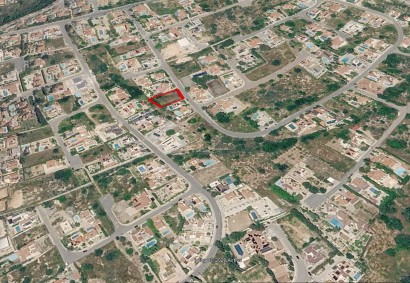
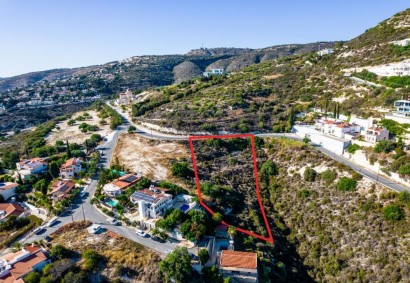
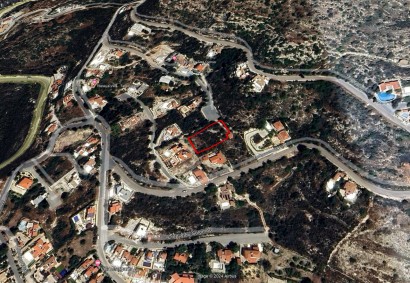
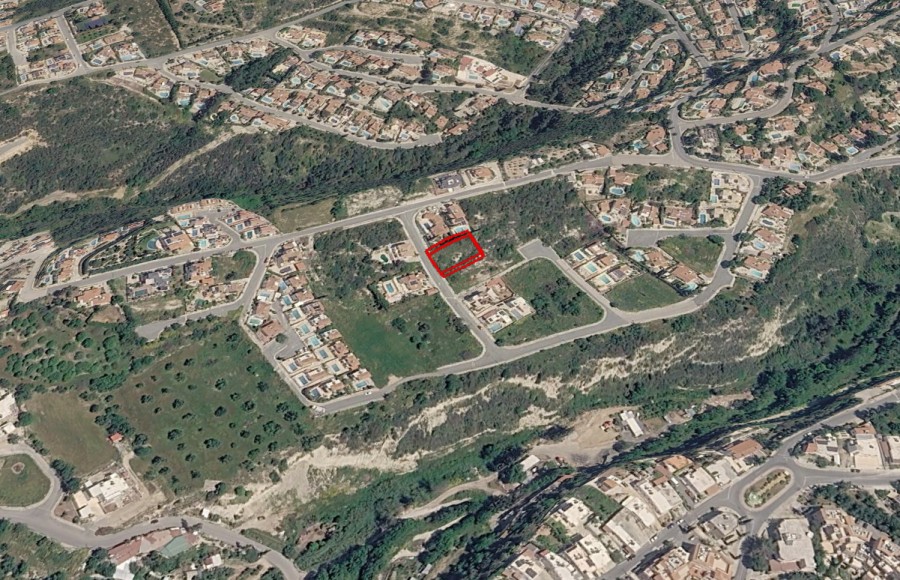
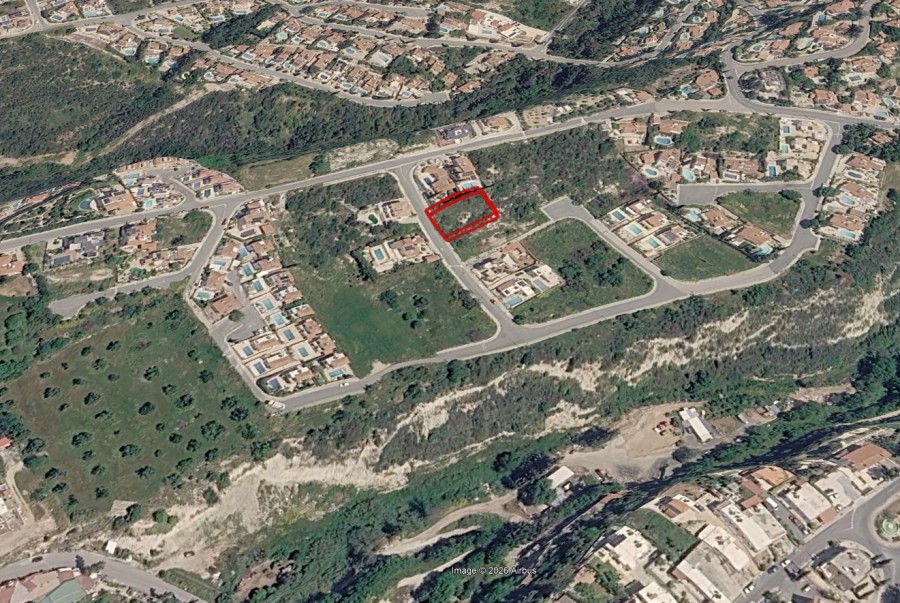
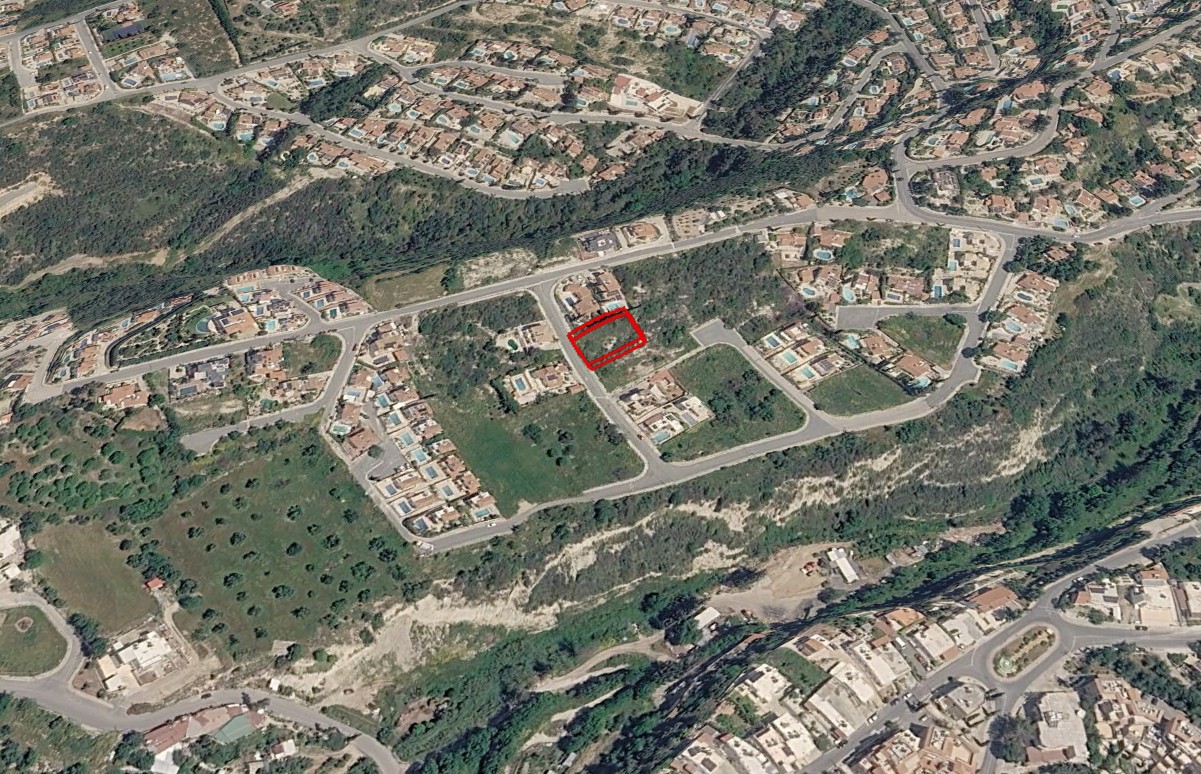
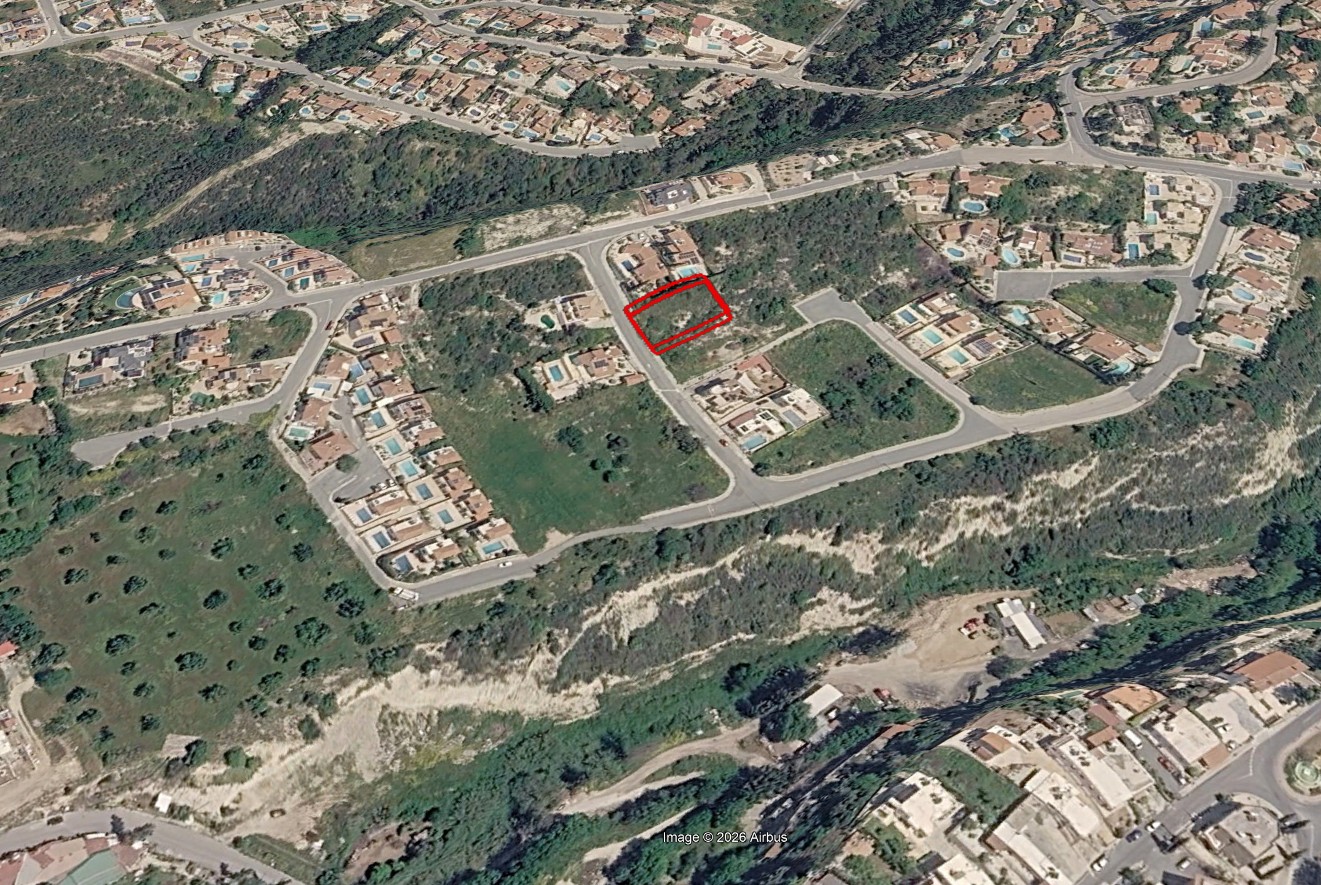
The parcel is located in Tala, Paphos, in the Elioudia area, and has a total area of 721 square metres. It falls within Planning Zone Κα10, with 100% of the parcel affected by the applicable planning regulations. The permitted building density is 0.30, allowing a maximum total building area of approximately 216.3 square metres (721 × 30%). The permitted coverage is 0.25, allowing a maximum ground-floor building footprint of approximately 180.25 square metres (721 × 25%). Development is permitted up to two floors, with a maximum building height of 10 metres. Therefore, in principle, the property can accommodate up to approximately 216.3 square metres of total floor area over a maximum of two floors, subject to applicable setbacks, parking requirements, road access, building lines, site characteristics, and the detailed provisions of Planning Zone Κα10.

Airport: 30 min drive
Beach: 15 min Drive
Golf: 15 min Drive
Town: 5 min drive
Town: Walking distance
Paphos, Tala - Blue Sky Houses Paphos, Limassol, Larnaka

Tala, Paphos

Tala is a large suburban village 6 km north of Paphos, Cyprus. Many non-Cypriots have moved here permanently or have a summer home in Tala. Agios Neophytos Monastery is 1 km north. The Agios Neophytos Monastery was founded by Neophytos. After being jailed for pursuing an ascetic life, he fled into the hills of Cyprus and found a small natural cave in 1159. He slowly excavated the opening further to encompass his hermitage cell, a small chapel, and his eventual tomb. Neophytos was staunchly against materialism and being bothered, which kept the population of monks much smaller than at other monasteries of the time.

After, his death, he was buried within the Engleistra according to his own detailed instructions. His successor, Isaias, is mentioned in the writings of Neophytos, but nothing is known about his time as abbot, nor is there any information about any other abbots during the 13th, 14th, or 15th centuries.

VIEW LOCATION MAP